In-person in Idaho Falls · Telehealth for all Idahoans
OCD Therapy in Idaho Falls
Break free from the cycle of intrusive thoughts, checking, and doubt
If your mind keeps sending you thoughts you hate, and you keep trying to make them go away by checking, confessing, praying, washing, asking, or mentally reviewing, you're not alone. You're not "crazy," and you're not a bad person. That pattern has a name: obsessive-compulsive disorder. It's also very treatable.
I'm Mark Bennett, a Licensed Clinical Social Worker (LCSW) in Idaho Falls. I use Exposure and Response Prevention (ERP), the most researched and effective therapy for OCD, to help you:
Stop letting OCD make your decisions
Face uncertainty without rituals or reassurance
Get back time, peace, and freedom in your daily life
We accept most insurances

Understanding OCD
What OCD really looks like
OCD isn't about being neat or organized. It's a cycle. An unwanted thought, image, or urge shows up (the obsession). It causes intense anxiety, guilt, or a feeling that something is "not right." You do something to relieve that feeling (the compulsion). The relief doesn't last, and the cycle gets stronger each time.
If you spend a lot of time each day caught in this cycle, or it's getting in the way of work, school, faith, or relationships, therapy can help.
OCD can take many forms. Some of the most common:
Checking: locks, the stove, whether you hit someone while driving, re-reading texts and emails
Scrupulosity: fear of having sinned, offended God, or done something morally wrong
Harm thoughts: unwanted, frightening thoughts about hurting someone you love
Contamination: fear of germs, illness, or "dirtiness," with excessive washing or avoiding
Relationship OCD: endless doubt about whether you love your partner enough
Unwanted taboo thoughts that feel shocking and shameful
"Just right" and symmetry: repeating or arranging until it feels right
Mental compulsions ("Pure O"): reviewing, analyzing, or neutralizing thoughts in your head
Reassurance seeking: asking others or searching online to be told everything is okay
My Approach
How ERP works
Exposure and Response Prevention (ERP) works by changing how you respond to anxiety, instead of trying to argue the thoughts away. Nothing is forced. ERP is collaborative, and you're in charge of your own progress. I also draw on Acceptance and Commitment Therapy (ACT) and CBT to help you relate differently to your thoughts and move toward what matters most to you.
We map your OCD together, including hidden mental rituals and what you've been avoiding
We build a step-by-step plan at a pace you help choose
You practice facing the fear without doing the ritual, and the anxiety loses its power
You get specific, realistic practice to do at home between sessions
Scrupulosity: when OCD targets your faith
Constant fear that you've sinned or aren't worthy enough
Repeating prayers until they feel "right"
Confessing the same things over and over
Seeking reassurance from church leaders or family
Worship and scripture study that bring anxiety instead of peace
We don't treat your faith as the problem. OCD is the problem. I work respectfully within your values and beliefs, and help you tell the difference between real spiritual conviction and OCD's demand for certainty. Many clients find that treating their OCD helps them experience their faith with more peace, grace, and freedom.
Who I Work With
OCD help for adults, teens, and children
OCD can show up at any age. Whether you're an adult stuck in doubt, a teen hiding scary thoughts, or a parent watching your child's rituals grow, you don't have to figure it out alone.
Adults
For adults whose days are shaped by doubt, rituals, and unwanted thoughts.
Checking, washing, and reassurance seeking
Harm, relationship, and taboo intrusive thoughts
Scrupulosity and moral perfectionism
Parents & Families
Families often get pulled into OCD without meaning to, by giving reassurance, changing routines, or helping with avoidance.
Learn to respond in ways that weaken OCD at home
Step back from reassurance and rituals with support
School coordination and accommodation recommendations when helpful
Children & Teens (ages 2–17)
OCD often starts in childhood. I involve parents as partners in treatment.
Asking the same questions over and over
Needing things done "just right"
Meltdowns when routines change
Excessive washing or checking
Scary thoughts they're embarrassed to share
Common questions
Frequently asked questions about OCD therapy
Answers to what people often wonder before starting ERP.
Does an intrusive thought mean I secretly want it?
No. Intrusive thoughts are common, and OCD tends to attach to the things you care about most. The distress you feel shows the thought goes against your values.
Will ERP make my anxiety worse?
ERP involves some temporary discomfort, but it's done gradually and at a pace you agree to. Most people find it much easier than living with OCD long-term.
Can telehealth work for OCD?
Yes. ERP adapts well to telehealth, and practicing exposures in your own home can be especially useful.
Is my religious fear really OCD?
It can be. If religious fears are constant, cause real distress, and push you toward rituals like repeated confession or prayer, OCD may be involved. A consultation can help sort that out.
Getting started
What to expect when you start
In-person in Idaho Falls or telehealth anywhere in Idaho. I accept most insurance plans.
Step 1
Free consultation
An optional free 20-minute phone consultation. Specifically ask for it. Default is a regular appointment. We'll talk about what's going on and whether I'm a good fit.
Step 2
Assessment & ERP plan
We'll assess your symptoms, including hidden mental rituals, set clear goals together, and begin building your ERP plan.
Step 3
Weekly practice
Sessions are usually weekly to start, focused on practice between sessions and progress you can feel in daily life.
You don't have to keep living by OCD's rules
OCD tells you that you need certainty before you can feel okay. Therapy can help you build a life where you don't need it. Reach out to schedule an appointment or a free consultation.
Resource Blog
Learn About Mental Health
Free tips and information about improving your mental health
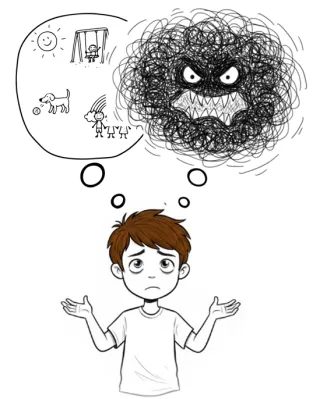
Intrusive Thoughts (Kid Friendly): Jeremy and the Huge, Ugly, Horrible Thought.
New Blog Post Description ...more
Coping Skills
October 10, 2025•3 min read

How our Brain Sabotages Relationships
New Blog Post Description ...more
Relationships
September 11, 2025•7 min read

Coping and Emotional Regulation
Manage your stress through a variety of useful techniques. Don't be overtaken by stress. ...more
Coping Skills
August 10, 2025•12 min read