Ages 2–17 · In-person in Idaho Falls · Telehealth for all Idahoans
Child & Teen Therapy in Idaho Falls
Calmer kids start with stronger relationships
Daily meltdowns? Constant worry? Excessive guilt? Low self-esteem? Trouble at school, or a teen who won't talk to you anymore? You don't have to figure it out alone.
I'm Mark Bennett, a Licensed Clinical Social Worker (LCSW) who works with children ages 2–17 and their parents. I work directly with your child, and alongside you as you learn ways of interacting that help with mental health challenges. If you're eager to be part of that, you've come to the right place. Together, we'll help your child:
Develop effective strategies to cope with life stress
Gain better emotional management skills
Build resilience to navigate life's challenges with greater ease
We accept most insurances

My approach with families
Teach in the green
When kids are visibly upset, they'll reject even the most amazing advice, proof, and logic. I call that being "in the red." In the red, the job is to keep everyone safe, offer empathy, or simply wait. Teaching works best once kids are calm, or "in the green."
Piling on pressure or shame afterward sends them right back to red. So in therapy we work on both sides: helping kids calm their bodies and put words to their feelings, and helping parents stay steady enough to teach when the moment is right.
Kids and teens I often work with are dealing with:
Big feelings and frequent meltdowns
Anxiety, fears, nightmares, and separation anxiety
OCD and intrusive thoughts
Attention and behavior struggles, including ADHD
Trouble with friends, school, or teachers
Sleep problems
Grief, divorce, moves, and other big changes
For parents
Relationship-building parenting
Every parent wants the best for their child. But under stress, we can slip into managing behavior mostly through complaints, arguing, and punishment, and strong-willed kids would rather lose everything than feel pushed around. While consequences can be necessary for kids, I help parents shift toward more approaches that build relationships, because a positive relationship is often the most powerful motivator a child has.
Relax your own muscles in tense moments so you can think clearly. Adults lose blood flow in the relationship-building parts of their brain when muscles are tense.
Remind yourself that every problem is not a crisis
Show respect first, then require it. Not Vice-Versa
Let teens help make the rules
Approach problems with the attitude: "My child is more important than this problem."
Validation before advice
"That was really upsetting. I'm glad you told me."
"It can be really hard to stop worrying, even when you know you don't need to."
"It's hard to stop crying sometimes. It's okay if you do. Come give me a hug."
"This is hard to talk about, isn't it?"
A rule of thumb: if trying to calm your child down or change their mind makes them more upset, you don't have to agree, but switch to validation (statements of understanding while waiting for calm), even if you disagree. Teach when they calm down. Advice lands much better once kids feel understood.
Who I Work With
Support for every age
Therapy looks different at 4, 10, and 16. Parents can be as involved as is helpful for your child.
Young Children (2–8)
Play, drawing, and simple skills help young kids show what's going on and learn to calm down.
Meltdowns and tantrums
Fears, nightmares, and separation anxiety
Sleep struggles
Parents
You know your child best. I'll coach you on responding to big feelings in ways that build connection and cooperation.
Validation and calm-down skills for home
Getting out of power struggles
School coordination and IEP or accommodation recommendations
Tweens & Teens (9–17)
Teens can often benefit from parental involvement. They can have more private space if they want to, or if they are self-motivated
Anxiety, depression, and stress
OCD, ADHD, and school pressure
Conflict at home and with friends
For parents
Questions parents often ask
Straight answers before your child's first visit.
How do I talk to my child about therapy?
Explain that therapy is to help them feel better. Compliment them for talking about hard things, and let them open up on their own terms. Never use therapy as a punishment. In frustration, never yell out, "YOU NEED THERAPY!" Kids who feel shamed about needing therapy often don't benefit from it.
Can I be in the room?
Yes. I always tell people, "If your child would prefer you in the room, don't try to talk them out of it." I prefer parents to be in the room at least half of the time -- if not all of the time. If your child is an older teen who knows exactly what to work on, they may not need your participation as much.
How can I participate in my child's therapy?
As a counselor, I know that many parents want me to fix up their child and send them back. But improvement comes when both parent and child work together to make improvements. If you are making improvements, your child will follow.
What if my child won't talk?
That's common, and pressure usually backfires. I let kids open up at their own pace with gentle encouragement. It often takes a few sessions of feeling safe before the real conversations start.
How It Works
A clear, supportive path forward
From the very first call, we focus on clarity, comfort, and what will serve your family best.
Step 1
Free consultation
An optional free 20-minute phone call to talk about what's happening and whether I'm a good fit. Specifically ask for it. Default is a regular appointment.
Step 2
Personalized plan
We'll set goals together and decide who joins sessions: your child, you, or the whole family.
Step 3
Ongoing support
We’ll meet regularly to practice new tools, work through stuck points, and adjust as your family grows and changes.
Your child is more important than any problem
Kids don't have to feel horrible to learn, and neither do parents. Whether you're facing daily meltdowns, silent dinners, or a teen who shuts the door, I'm here to help your family find a calmer, more connected way forward.
Resource Blog
Learn About Mental Health
Free tips and information about improving your mental health
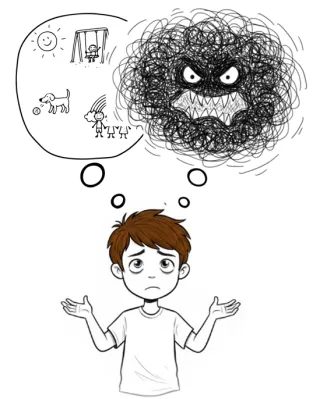
Intrusive Thoughts (Kid Friendly): Jeremy and the Huge, Ugly, Horrible Thought.
New Blog Post Description ...more
Coping Skills
October 10, 2025•3 min read

How our Brain Sabotages Relationships
New Blog Post Description ...more
Relationships
September 11, 2025•7 min read

Coping and Emotional Regulation
Manage your stress through a variety of useful techniques. Don't be overtaken by stress. ...more
Coping Skills
August 10, 2025•12 min read